

The United Kingdom is renowned for its rich cultural life and a wide variety of events that attract both residents and tourists. In 2026, the country’s cultural calendar promises to be especially full: concerts, theatrical performances, art exhibitions, festivals, and educational initiatives will allow everyone to find something of interest. Local organizers focus on quality, interactivity, and audience engagement, creating a unique atmosphere at each event.
Attending cultural events is not only a way to enjoy oneself but also an opportunity to broaden horizons, discover new forms of art, and gain emotional inspiration. Modern venues strive to combine tradition with innovation, offering events that appeal to children and adults alike, art professionals as well as casual enthusiasts.
Music Festivals and Concerts
Music has always held a central place in the UK’s cultural life. In 2026, a number of major festivals are expected, where audiences can enjoy both classical and contemporary music. Special attention is given not only to performers but also to audience experience, ensuring comfortable spaces and interactive zones.
For lovers of classical music, there will be symphony concerts, chamber performances, and organ festivals. Young people and fans of modern genres can attend rock and jazz festivals, electronic music shows, and outdoor events. A distinctive feature of this season will be the fusion of different styles and genres, allowing everyone to find a format that suits their musical tastes.
Supporting Cultural Initiatives and Safe Platforms
The BassWin platform actively participates in organizing cultural events and serves as a sponsor for various educational and creative initiatives. Thanks to its user-friendly interface and secure environment, the platform provides reliable support for projects, allowing organizers to focus on creating high-quality events. Event participants gain access to the necessary resources and infrastructure for the successful implementation of cultural programs, fostering the development of the arts and engaging a wide audience.
Theatrical Performances and Shows
Theater has traditionally been an important part of British cultural life. In 2026, audiences will be able to see classic productions, contemporary dramas, and experimental performances. Emphasis is placed not only on artistic quality but also on audience participation: interactive performances, educational programs, and workshops give spectators a chance to become part of the experience.
Many theaters offer programs for children and teenagers, introducing them to the world of art through play, learning, and participation in mini-performances. Adults can also attend themed productions focused on history, literature, and contemporary social issues, making theatrical events both entertaining and educational.
Exhibitions and Art Galleries
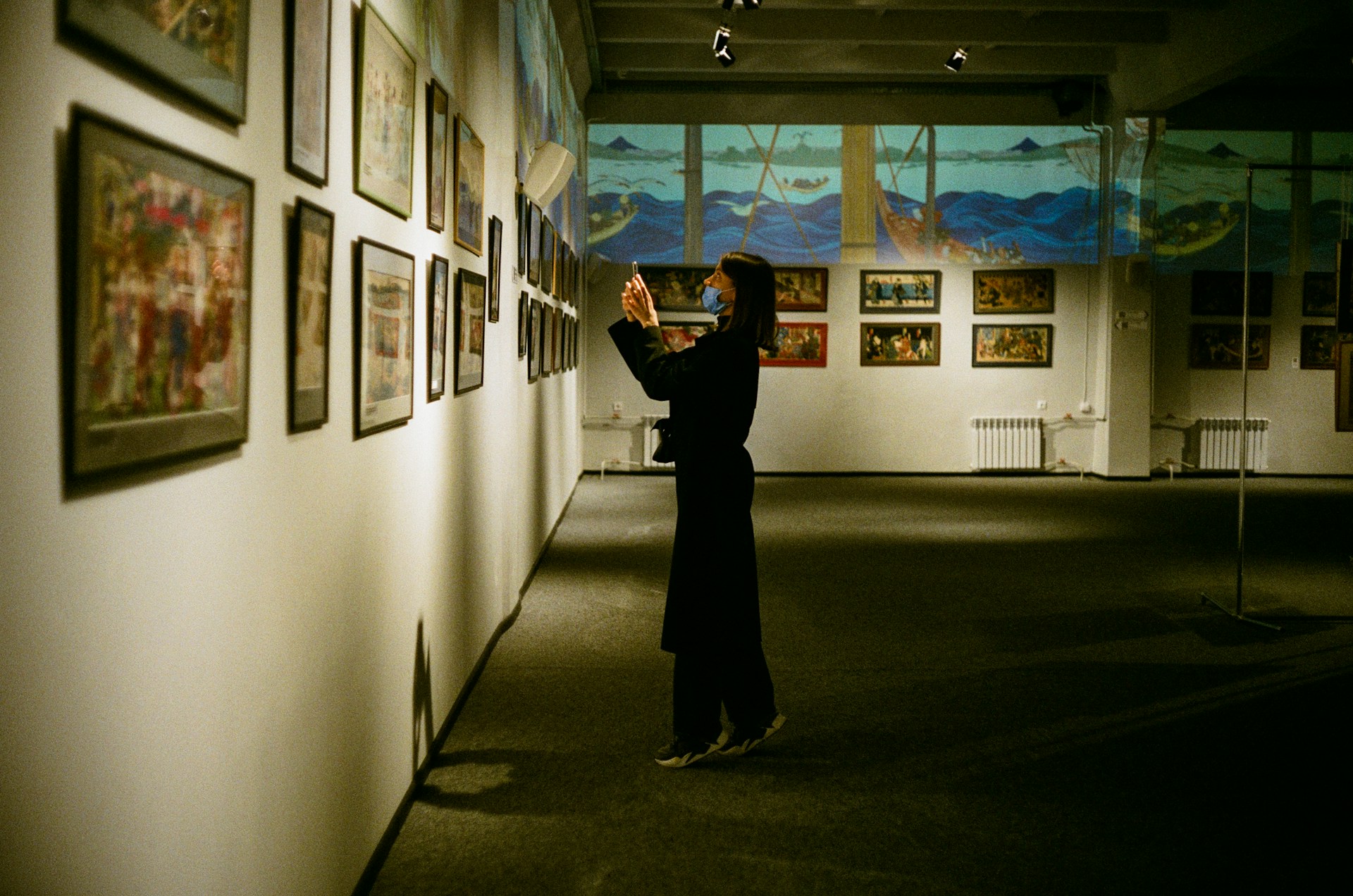
Art exhibitions remain an important part of the country’s cultural agenda. In 2026, museums and galleries will offer a wide range of themes and styles, from classical art and historical collections to contemporary experiments and digital installations.
Special interest is drawn to exhibitions dedicated to modern artists, interactive displays that allow visitors to participate in creating artworks, and thematic retrospectives that reveal the development of art in different regions. Many exhibitions are accompanied by lectures, workshops, and guided tours, making visits both engaging and informative.
Cultural Festivals and City Celebrations
Cultural festivals combine music, theater, art, gastronomy, and educational programs. This year, many such events will take place across the UK, where every participant can:
- Attend musical and theatrical performances;
- Learn about regional traditions and history;
- Participate in workshops and interactive sessions;
- Sample local cuisine and craft products;
- Discover new forms of art and media projects.
Festivals create a lively and welcoming atmosphere, encourage the exchange of experiences, and allow residents and visitors to actively participate in cultural life.
Impact on Society
Cultural events play a significant role not only in entertainment but also in education and social development. They foster a sense of community, encourage creative thinking, broaden horizons, and motivate young people to engage in cultural and social initiatives.
Organizing high-quality events requires collaboration among many specialists: artists, educators, volunteers, and coordinators. Thanks to these collective efforts, spaces are created where creativity and knowledge are accessible to all, and audiences gain a unique experience that inspires further achievements.
Future Prospects
In 2026, the UK’s cultural landscape promises to be even more diverse and vibrant. New event formats, interactive technologies, and collaborative projects across cities will expand the audience and attract more participants.
Such developments help not only preserve cultural heritage but also establish new traditions, involve the younger generation, and stimulate creative thinking. Each visitor has the opportunity to discover something new, gain inspiration, and apply their experience in everyday life. Cultural events serve as a platform for exchanging knowledge, ideas, and emotions, creating an atmosphere of continuous growth and engagement.